

Blog
Air Mattress for Bed Sores: Choosing the Right Mattress for Bedridden Patients

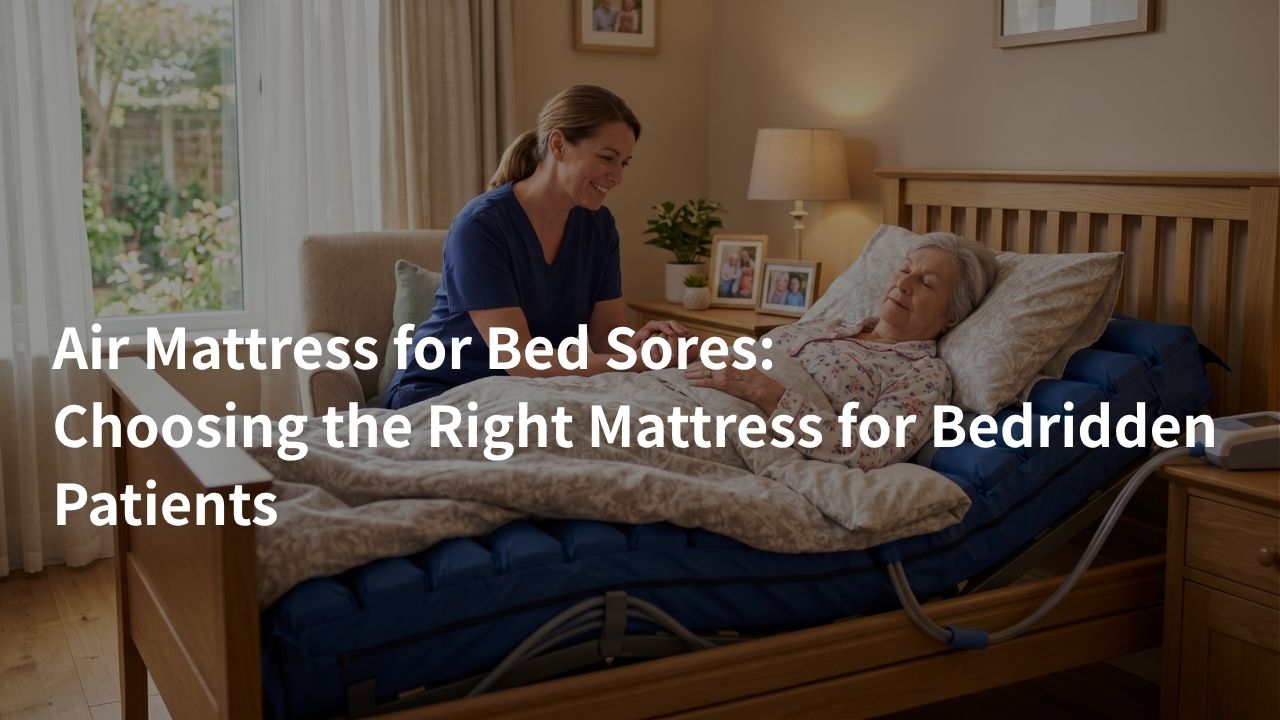
Caring for a bedridden loved one at home comes with daily challenges. Families often balance the physical demands of repositioning with the constant concern of protecting fragile skin.
A standard household mattress is rarely designed for someone who spends much of the day lying down. It may trap body heat and concentrate pressure on vulnerable areas, such as the sacrum (tailbone) and heels.
Upgrading to a medical-grade support surface, such as an air mattress for bed sores, can help relieve pressure on vulnerable areas, protect skin integrity, and ease the physical strain on family caregivers.
Understanding Bed Sores and How a Bed Sore Prevention Mattress Protects Skin
When mobility is severely limited, prolonged pressure over bony areas can restrict local blood flow and increase the risk of skin breakdown.
How Immobility Causes Skin Breakdown on Standard Beds
Pressure injuries, often called bedsores or pressure ulcers, can develop when sustained external pressure restricts normal blood flow to the skin and underlying tissues. Without adequate blood flow, tissues receive less oxygen, and metabolic waste can accumulate, leading to tissue damage. Managing and redistributing pressure is crucial to maintaining healthy tissue.
An early warning sign may be a patch of red skin that does not blanch (turn pale) when pressed, which can indicate a Stage 1 pressure injury. At this stage, the skin is still intact, but the underlying tissue may already be at risk.
How Micro-Airflow Helps Control Skin Temperature and Moisture
To reduce these risks, advanced support surfaces also help manage the skin's microclimate, meaning the temperature and humidity where the skin meets the mattress.
Low air loss technology uses tiny perforations across the sleeping surface to release a continuous, gentle flow of air. Combined with a vapor-permeable cover, this airflow helps evaporate perspiration and dissipate trapped body heat.
Keeping the skin dry helps prevent maceration, a condition in which excess moisture softens and weakens the outer layer of skin. This feature is especially helpful for people managing incontinence or excessive sweating.
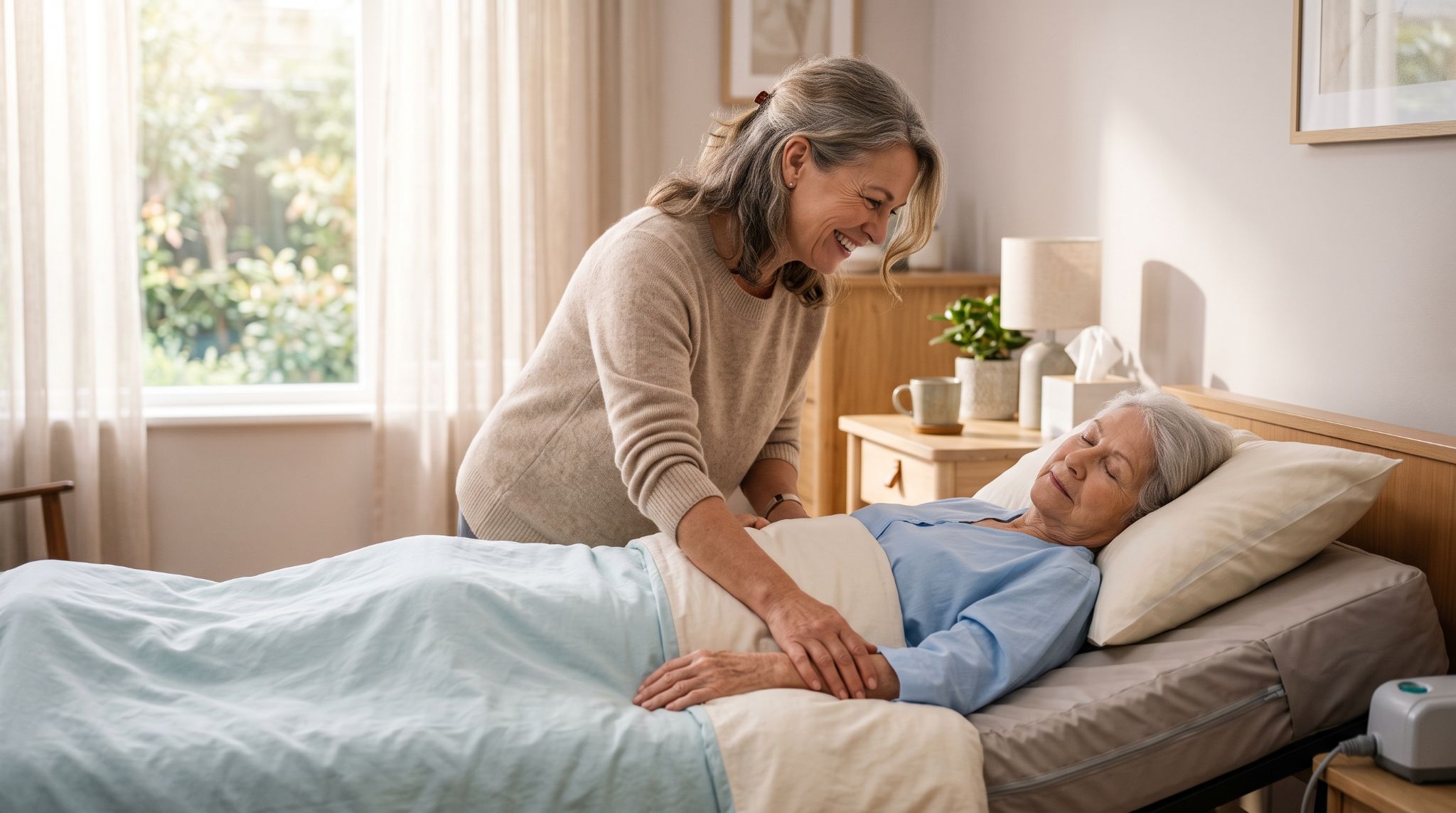
Comparing Support Surfaces: Alternating Pressure vs. Low Air Loss
Different stages of pressure injury may call for different levels of support, and matching the support surface to the individual's risk level can help protect tissue while avoiding unnecessary costs.
Matching Mattress Types to Pressure Injury Risk
- Stage 1 or general prevention: A basic bed sore prevention mattress made of high-density memory foam or gel-infused foam is commonly used to redistribute body weight and relieve pressure on vulnerable areas.
- Stage 2: When partial-thickness skin loss appears as a shallow open wound or blister, an alternating pressure system may be recommended. These systems use multiple air cells that inflate and deflate in a set pattern to redistribute pressure and help improve circulation in different areas.
- Stage 3: When full-thickness skin loss exposes the fat beneath the skin, a combined alternating pressure and low air loss system may be recommended to provide enhanced pressure redistribution and moisture control.
- Stage 4: Wounds that extend to muscle, tendon, or bone may require more advanced support surfaces, potentially including lateral rotation therapy combined with alternating pressure and enhanced low air loss, under the guidance of a wound care professional.
The appropriate support surface depends on the patient's overall risk, skin condition, mobility, and clinical needs, rather than pressure injury stage alone.
Bed Sore Mattress Pad vs. Full Mattress Replacement System
Families often weigh two options: placing a bed sore mattress pad (also called an overlay) on top of an existing mattress or investing in a full replacement system. Overlays are generally more affordable and easier to install, making them suitable for certain short-term care needs.
However, relying on an overlay alone for a Stage 3 or deeper pressure injury may not provide adequate support. Because overlays depend on the underlying mattress for support, there is a risk of "bottoming out," where the patient sinks through the overlay and experiences increased pressure against the firmer surface below.
Full replacement systems, typically 8 inches deep or more, allow the body to immerse more deeply in the support surface and provide better envelopment, which may help redistribute pressure more effectively for high-risk individuals.
Daily Care Integration: Turning, Hygiene, and Bedside Support
Beyond protecting the skin, a therapeutic bed should fit smoothly into everyday care routines, such as bathing, hair washing, toileting, changing incontinence pads, and assisting with meals.
Assisted Lateral Turning and Repositioning
A common misconception is that an active support surface eliminates the need for manual repositioning.
Clinical guidelines recommend repositioning the person regularly, often every two to four hours, depending on individual risk and the type of support surface used. Automated lateral rotation features can gently tilt the person to the left or right, reducing the physical effort required from caregivers and potentially helping mobilize lung secretions.
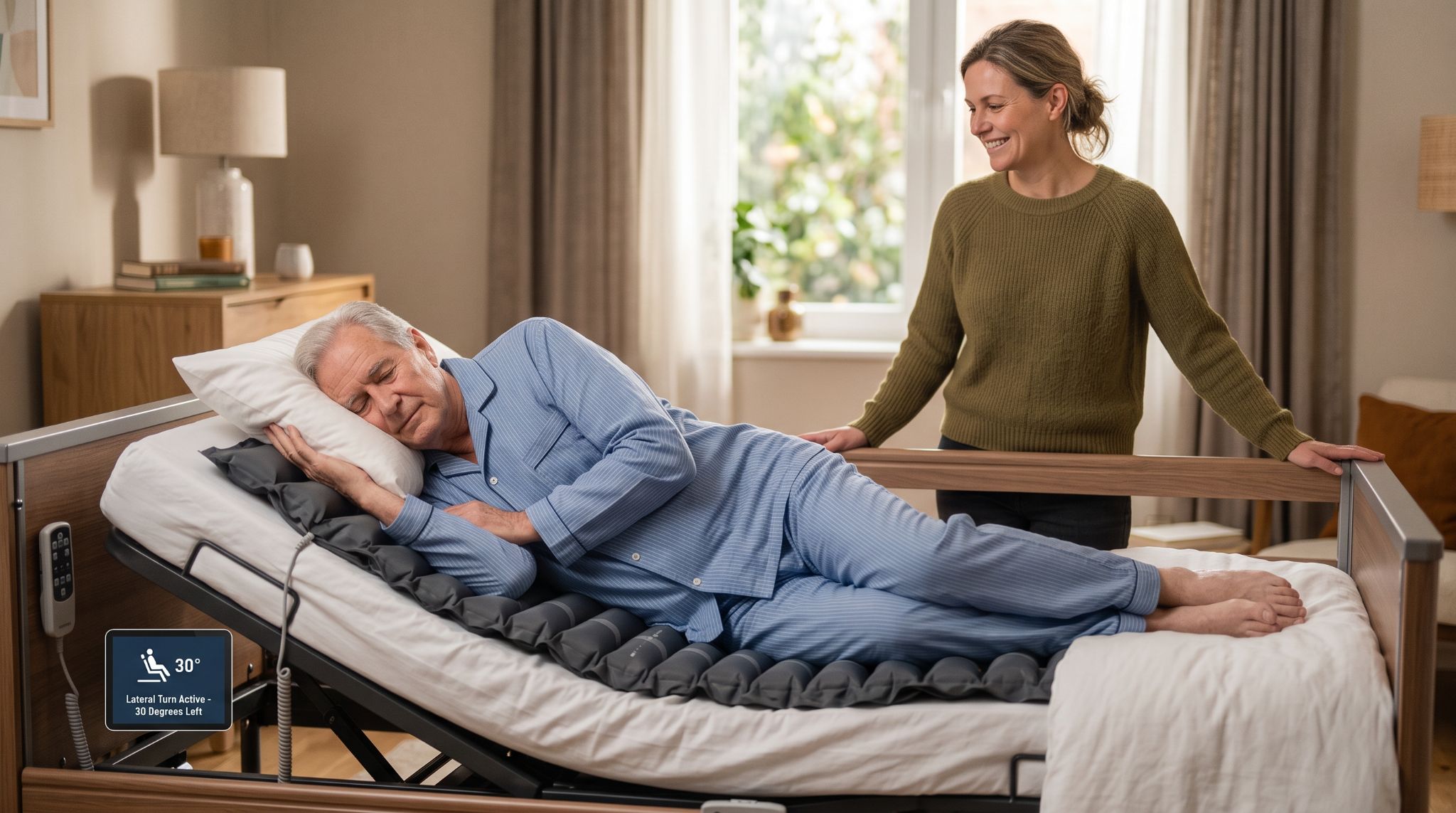
Preventing the Hammock Effect During Daily Care
Proper setup plays a major role in how well the mattress works. Tightly fitted household sheets can create what is known as the hammock effect: when non-stretch fabric is pulled taut across the surface, it can prevent the body from sinking into the air cells.
This tension can concentrate pressure on bony areas and undermine the benefits of alternating inflation and moisture control. Using compatible, medical-grade stretch sheets and keeping the number of layers between the patient and the mattress cover to a minimum helps the system work as intended.
Practical Selection Criteria for Home Use
When choosing a mattress for bedridden patients at home, look beyond therapeutic features to consider noise levels, safety functions, weight capacity, and long-term reliability.
- Low noise: A quiet pump motor with a low noise level supports better sleep for both the patient and the rest of the household.
- Control lockout: A lockout function helps prevent accidental or unauthorized changes to pressure settings, including adjustments made by visitors.
- Weight capacity: For individuals weighing more than 300 pounds, standard air cells may bottom out if the mattress does not provide adequate support. Bariatric models may offer reinforced air cells, widths ranging from 42 to 54 inches, and higher-output pumps to maintain adequate support.
- Filter care: Clean or replace the air pump filter according to the manufacturer's instructions, typically every three to six months, to help maintain proper airflow and prevent overheating.
- Leak checks: Regular inspections, including monthly checks for pressure loss, can help identify small pinholes in the air cells that may result from sharp objects or accidental damage during cleaning.
- Alarm testing: Regularly confirm that the low-pressure alarm works properly so caregivers can respond quickly to a power outage or air leak.
Frequently Asked Questions About Air Mattress for Bed Sores
Q1: Do you still need to turn a patient on an alternating pressure mattress?
Yes. An alternating pressure mattress redistributes pressure automatically, but most care plans still call for regular repositioning, often every two to four hours, depending on the patient's individual needs and the type of support surface used. An automated lateral turning feature can help reduce the physical effort required from caregivers.
Q2: What is the main purpose of a low air loss mattress?
A low air loss mattress is mainly used to help control skin temperature and moisture. Its continuous, gentle airflow helps keep the skin dry, protecting vulnerable areas in people who experience incontinence or excessive sweating.
Q3: Can you use regular fitted sheets on a medical air mattress?
Standard fitted sheets are generally not recommended if their tight, non-stretch fabric creates a hammock effect that prevents the body from sinking into the air cells. Compatible, medical-grade stretch sheets help the mattress's pressure relief features work as intended.
Q4: How do caregivers manage daily hygiene for a bedridden patient?
Moving a bedridden patient to the bathroom can be physically demanding and uncomfortable for both the patient and the caregiver. Some advanced medical mattress systems are designed to support bedside hygiene tasks and may include water-resistant materials or specialized features for in-bed hair washing, toileting, and changing incontinence pads. These features can reduce the need for potentially difficult transfers in and out of bed.
Q5: Will an air mattress for bed sores disturb sleep at night?
Some air mattress systems designed for home care feature quiet pump motors to help minimize sleep disruption. Since pump noise levels vary by model, it is important to choose an air mattress with a quiet pump motor to support a quieter, more comfortable sleeping environment. Checking the pump's noise level before purchasing can help caregivers make an informed decision.
Enhancing Daily Care with ObboMed Medical Air Mattresses
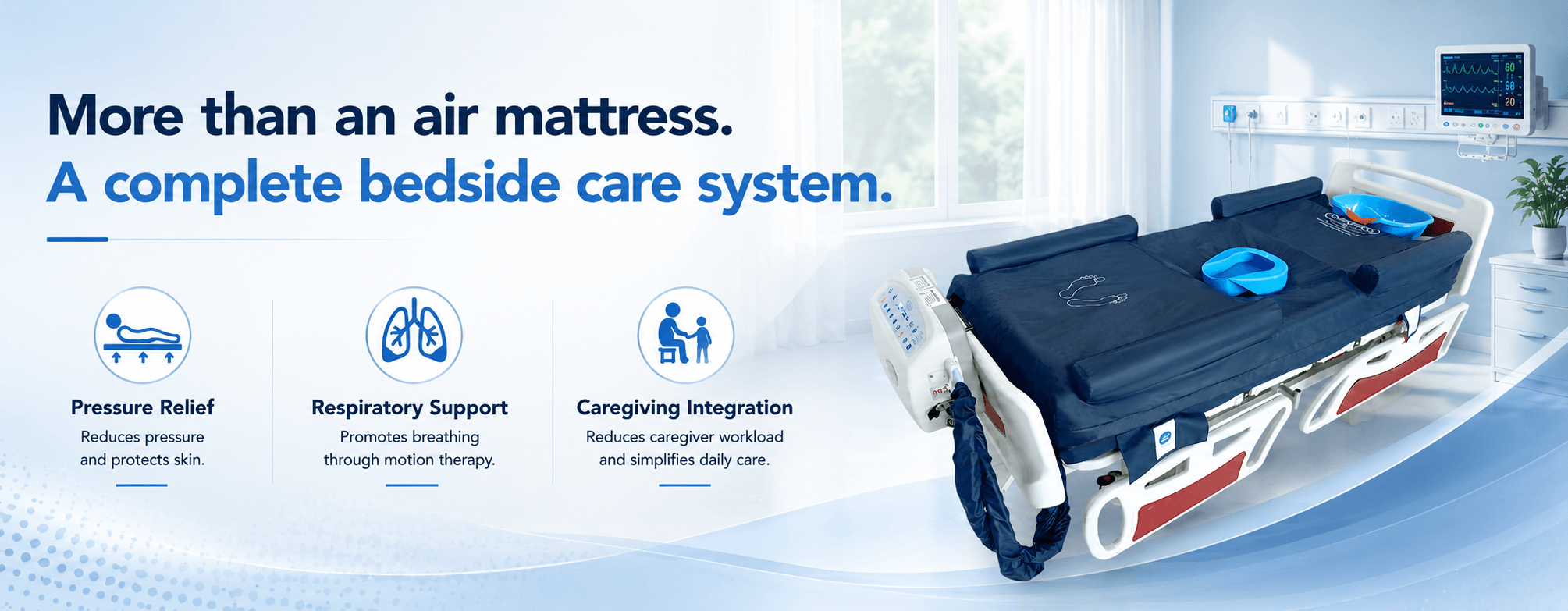
The ObboMed Complete Bedside Care System is an advanced anti-bedsore air mattress system designed to support everyday care needs that standard equipment may not fully address, including regular repositioning, moisture management, and bedside hygiene.
It combines automated alternating pressure therapy and lateral rotation to support dynamic pressure redistribution and patient repositioning, along with low air loss therapy and an integrated 820 L/min ventilation fan for advanced moisture and heat management. It also features built-in functions for in-bed hair washing and toileting, helping reduce the need to transfer patients to the bathroom and minimize the physical effort required of family caregivers. Inflatable safety rails provide an added protective boundary to help reduce the risk of falls during automated turning cycles or overnight rest.