

Blog
Relieving Caregiver Burnout: Caring Without Self-Sacrifice

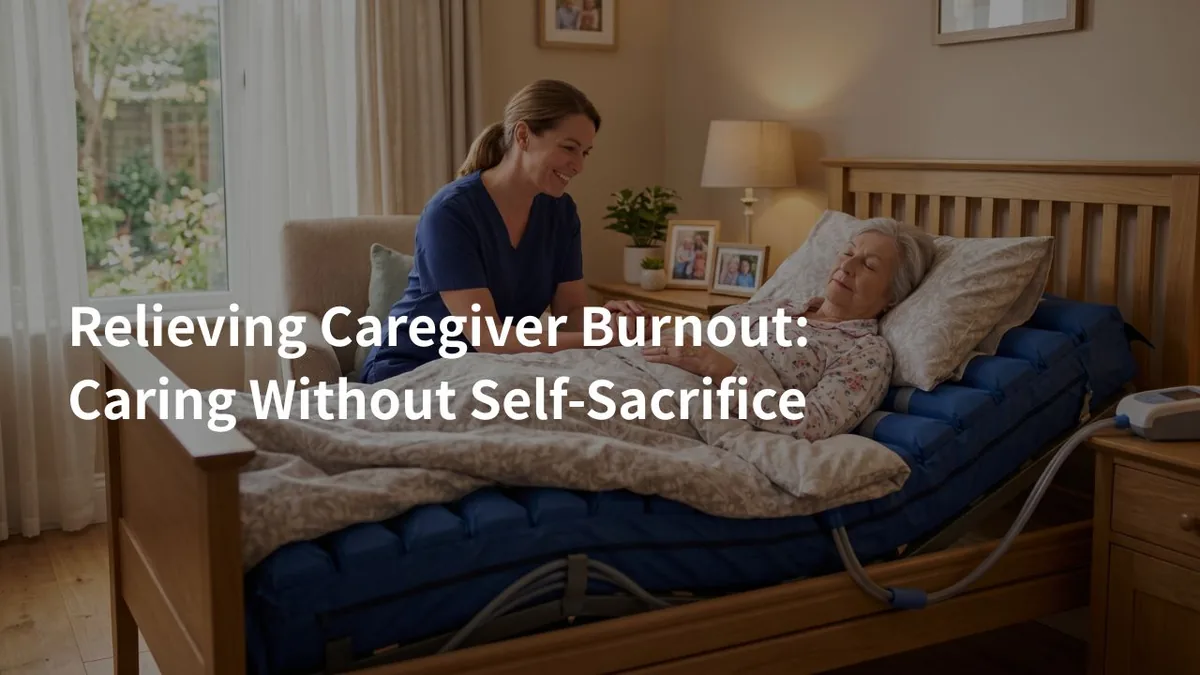
Caring for a bedridden family member is one of the greatest acts of love, but it can also be one of the most physically and emotionally demanding responsibilities. Day after day of helping with repositioning, toileting, hair washing, bathing, and other essential care tasks can gradually lead to caregiver burnout—a state of exhaustion that affects both your well-being and the quality of care you provide. Recognizing the signs of burnout and understanding its emotional, physical, and practical causes are essential steps toward creating a healthier, more sustainable caregiving journey for both you and your loved one.
Understanding Caregiver Burnout: When Love Becomes a Heavy Caregiver Burden
What is Caregiver Stress and Fatigue?
- Long-term caregiving creates chronic stress, often characterized by over-engagement, reactive emotions, and a constant sense of urgency.
- When this stress goes unmanaged, it evolves into caregiver fatigue, marked by chronic exhaustion, disengagement, and blunted emotions.
- Chronic stress can also affect physical health by disrupting sleep, weakening immune function, and increasing the risk of stress-related health problems.
Recognizing the Warning Signs of Caregiver Burnout
- Caregivers’ emotional struggles are often overlooked until prolonged stress begins to affect their mental health, relationships, and ability to provide care.
- Common gaps in self-awareness occur when caregivers experience “Caregiver Guilt,” feeling they should be doing more even when operating at their physical limit.
- Feeling angry, strained, or wishing to leave the care to someone else are late-stage markers of compassion fatigue.
- Recognizing a loss of personal agency and feeling that the patient asks for more help than needed are common warning signs of psychological breakdown.
The Hidden Costs of Caregiving: Finance, Work, and Isolation

| Challenge | How It Affects Caregivers and Families |
|---|---|
| Financial Burden | Long-term caregiving often comes with unexpected expenses, including medical supplies, home modifications, and assistive equipment. At the same time, many caregivers reduce their working hours or leave their jobs, creating additional financial pressure. |
| Sick Leave and Career Disruption | Caring for a bedridden loved one may require frequent time off for medical appointments, emergencies, or overnight care. Over time, using sick leave, taking unpaid leave, or reducing work hours can affect career growth, income, and long-term financial security. |
| Social Isolation | As caregiving responsibilities increase, many caregivers have less time for friends, hobbies, or personal activities. This isolation can increase stress, emotional exhaustion, and feelings of loneliness, making caregiver burnout even more likely. |
Caregiver Emotional Support: Finding Balance Between Care and Self
The Emotional Challenges of Caring for a Loved One
Providing long-term care for a spouse, parent, or other family member can place enormous emotional pressure on caregivers. As caregiving responsibilities grow, family dynamics and relationships may change. A husband or wife may take on the role of a full-time caregiver, while an adult child may become responsible for intimate daily tasks such as bathing, hair washing, or toileting. These changing roles can bring feelings of sadness, frustration, guilt, and even resentment.
Many caregivers also struggle with a sense of helplessness when they see a loved one’s condition decline despite their best efforts. Recognizing these emotional challenges is an important step in protecting your mental health and preventing caregiver burnout.
Seeking Support Before Burnout Happens
No one should have to manage caregiving alone. Taking regular breaks, asking family members to share responsibilities, or using respite care services can help reduce both physical and emotional stress. Support groups also provide a safe place to connect with others facing similar challenges, helping caregivers feel less isolated and more understood.

In addition to emotional support, assistive caregiving equipment can make daily tasks less physically demanding. Reducing repetitive lifting, repositioning, and hygiene-related work allows caregivers to conserve energy, lower stress levels, and focus more on meaningful time with their loved ones rather than exhausting physical routines.
Technology as Relief: Practical Solutions to Reduce Caregiver Burnout
Automated Turning Systems Reduce Physical Strain
- The physical failure point often occurs when a caregiver’s own health begins to fail, significantly increasing the likelihood of patient institutionalization.
- Automated bedside care solutions reduce repetitive physical tasks, giving caregivers more time to rest and recover while maintaining consistent care for their loved ones.
- Alternating pressure mattresses with automated turning functions reduce the physical strain of manually repositioning a patient every few hours.
- Reducing the frequency of night-time interventions helps caregivers achieve restorative sleep, mitigating immune suppression.
Integrated Bedside Care Supports Better Care Quality
- Managing tasks like incontinence and hygiene are common triggers for exhaustion and institutionalization.
- Low air loss mattresses maintain a dry and comfortable microclimate, protecting the patient’s skin integrity while reducing the frequency of manual interventions.
- Complete bedside care systems that integrate toileting and hair-washing support allow caregivers to handle hygiene routines safely and efficiently.
- Simplifying the clinical role of the caregiver through functional design returns a sense of control over daily operations.
Frequently Asked Questions About Caregiver Burnout
Q1: What are the first signs of caregiver burnout?
The earliest warning signs often involve a shift in your emotional state. You might notice feelings of anger, chronic exhaustion, or a loss of interest in things you usually enjoy. Another common indicator is feeling that your loved one is asking for more help than they actually need, which points to a breakdown in your psychological resilience.
Q2: What is the difference between caregiver stress and burnout?
Caregiver stress usually feels like having too much on your plate, where you might feel anxious and hyper-reactive. Caregiver burnout is a state of total depletion. When burnout sets in, caregivers often experience blunted emotions, hopelessness, and a detachment that is sometimes called compassion fatigue.
Q3: Can caregiving cause physical health problems?
Yes, long-term caregiving takes a real physical toll. The chronic stress keeps your body in a constant fight or flight state, which can suppress your immune system. Caregivers often experience a higher risk of cardiovascular issues and impaired physical recovery due to sustained cortisol elevation.
Q4: Why do caregivers experience guilt?
Caregiver guilt usually stems from unrealistic expectations. Many individuals believe their efforts should always result in positive health outcomes. When a loved one’s condition declines naturally due to a progressive disease, caregivers might view it as a personal failure and feel they should be doing more, even when they are operating at their physical limit.
Q5: How does caring for a family member affect finances?
The financial strain is often a double blow. Caregivers face direct costs for medical supplies and home modifications. At the same time, many need to take sick leave or reduce their working hours to handle care duties, which commonly leads to career stagnation and lost wages.
Q6: What equipment helps reduce caregiver fatigue?
For bedridden patients, solutions such as automated turning mattresses, alternating pressure systems, bedside hygiene equipment, and safety support features can reduce physical strain and improve daily caregiving efficiency.
ObboMed: Empowering Families with Smarter Bedside Care Solutions

Caregiving is an act of love, but it should not come at the expense of the caregiver’s own health. Reducing physical strain and simplifying daily care tasks can help families create a more sustainable and balanced caregiving environment.
ObboMed provides advanced bedside care solutions designed specifically for long-term bedridden patients. Our multi-functional medical air mattress systems integrate alternating pressure relief, lateral rotation and repositioning, vibration massage, micro-climate ventilation, and in-bed toileting and hair washing—all designed to support personal hygiene, minimize repetitive physical tasks, reduce caregiver burden, and improve overall care quality.
By making daily care routines safer and more manageable, ObboMed helps protect both the comfort of your loved one and the physical and emotional well-being of caregivers.